

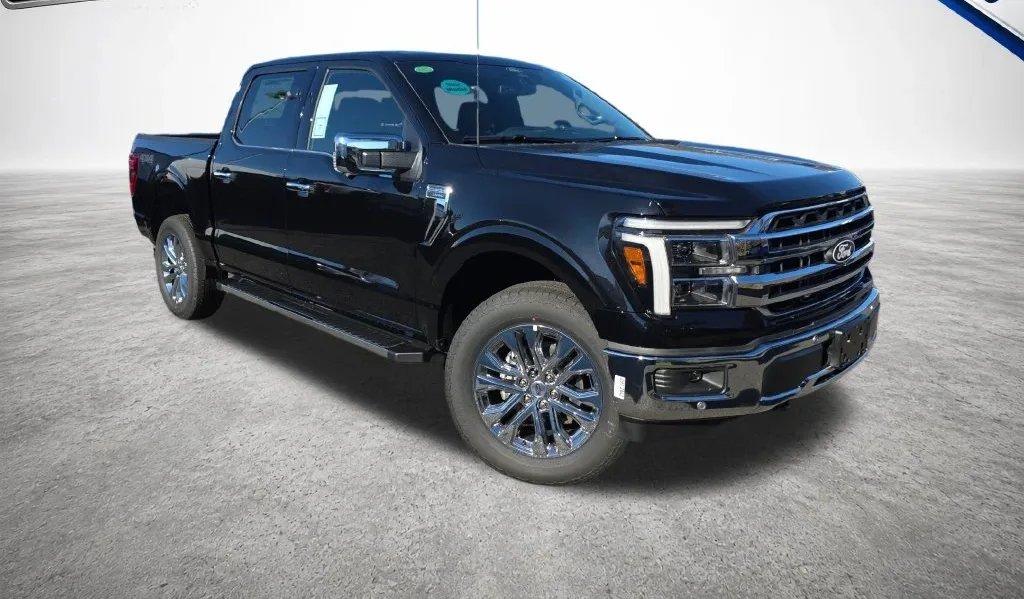
Ford F-150 vs. Super Duty: How Connecticut Business Owners Can Compare Their Needs
Choosing a work truck starts with understanding the job. For Connecticut business owners, that means knowing what the truck will carry, which trailers it will pull, and how it will fit into the working day.
A contractor traveling between Plainville and Bristol may need room for tools and occasional materials. A business moving heavier equipment around Southington or Hartford may have different requirements.
The Ford F-150 and Super Duty lineup offer different starting points. Your decision should come from comparing specific configurations against your workload, rather than choosing by badge or advertised maximum capacity alone.
Start With a Workload Checklist
Before visiting a dealership, document what a typical workday involves—and what your most demanding planned jobs require.
Include:
- The weight of tools and materials carried in the truck.
- Drivers and other passengers.
- Permanently installed equipment, racks, and storage.
- Loaded trailer weight.
- How frequently you tow or haul.
- Parking, jobsite access, and garage clearance.
- Expected annual mileage.
Use measured weights where possible. An empty trailer’s weight does not tell you what it will weigh with machinery, supplies, or other cargo aboard.
Bring this information when exploring the commercial vehicle options at Gengras Ford. It gives the dealership a practical basis for comparing available trucks.
F-150 vs. Super Duty: Where to Begin
| Business requirement | F-150: questions to consider | Super Duty: questions to consider |
|---|---|---|
| Daily travel and jobsite visits | Does a specific configuration meet your load requirements while fitting daily use? | Does the workload justify a heavier-duty configuration? |
| Tools and materials | Is sufficient payload available after passengers and installed equipment? | Which configuration accommodates your planned equipment and cargo? |
| Trailer use | Is the loaded trailer within all applicable limits? | Which truck and towing equipment suit the heavier loads you plan to move? |
| Business growth | Will the truck meet your documented near-term needs? | Do planned contracts or equipment purchases support the additional investment? |
| Operating costs | What are the purchase, insurance, fuel, and maintenance costs? | How do those costs compare with the work the truck enables? |
The Super Duty name covers multiple trucks and configurations. Treat each candidate as an individual vehicle with its own equipment, dimensions, and ratings.
Understand Payload Before Comparing Towing Numbers
Payload and towing capacity describe different limits.
Payload concerns the weight carried by the truck, including passengers and cargo. Installed equipment also affects the capacity available for your work. When towing, trailer tongue or fifth-wheel pin weight contributes to the load carried by the truck.
This matters for a business that keeps tools onboard while towing. A trailer may appear suitable based on an advertised towing figure, yet the complete combination still needs checking.
Use Ford’s towing resources to understand the terminology and locate guidance for the correct model year.
Ask the dealership to verify the specific truck’s applicable ratings, including vehicle, axle, combined-weight, and hitch limits. Have it account for your passengers, equipment, cargo, and loaded trailer.
When an F-150 Is Worth Considering
Start with an F-150 if a verified configuration can accommodate your work requirements.
For a business combining customer appointments, jobsite visits, tool transport, and occasional towing, the decision should consider everyday practicality alongside capability.
During your comparison, check:
- Cab space for the people who normally travel with you.
- Bed dimensions and access.
- Compatibility with toolboxes or racks.
- Visibility and parking at customer properties.
- Required towing equipment.
- Remaining capacity after planned accessories are installed.
An F-150 should earn its place on your shortlist by meeting the workload—not simply by offering a lower initial price.
When to Compare Super Duty Options
Consider Super Duty configurations when your documented hauling or towing requirements call for a different level of capability.
Examples might include regularly transporting heavier equipment or installing substantial work equipment. The load calculations should determine which truck deserves consideration.
Ask the dealership to compare suitable configurations and explain the effect of engine, axle, cab, bed, and equipment choices. If considering an upfit, involve the equipment installer before purchasing so compatibility and completed-vehicle weights can be assessed.
Evaluate Daily Use Around Connecticut
A truck can meet your capacity requirements and still create practical difficulties at work.
Consider whether it fits customer driveways, loading areas, and your business’s parking spaces. Check access to the bed and whether employees can reach frequently used equipment.
On a test drive, evaluate visibility, seat comfort, turning space, and ordinary parking maneuvers. Try a route that reflects your regular travel around Plainville, Bristol, Southington, or Hartford.
Confirm the features on the exact vehicle. Cameras and towing aids can assist the driver, but they do not increase the truck’s weight ratings.
Compare the Full Business Cost
Request an itemized purchase quote and separate the vehicle price from optional products, equipment installation, and financing charges.
Compare:
- Insurance for the intended business use.
- Fuel and routine maintenance.
- Tires and replacement wear items.
- Upfit and accessory costs.
- Financing terms and total payments.
- Service scheduling and potential downtime.
If purchasing a used truck, review its history and maintenance records and arrange an independent inspection.
Questions to Ask Before Ordering or Buying
- What are this truck’s exact configuration and applicable weight limits?
- Does it accommodate our passengers, tools, equipment, and loaded trailer together?
- Which towing components are included, and what else is required?
- How will planned accessories or an upfit affect available capacity?
- What maintenance schedule applies to our intended use?
- What is included in the written out-the-door price?
- Is the vehicle physically available, incoming, or a factory order?
Get vehicle specifications and purchase commitments in writing before proceeding.
Compare Work Trucks in Plainville
The right choice between an F-150 and Super Duty depends on the work your business needs to complete. Start with verified loads, compare suitable configurations, and test everyday practicality before committing.
Gengras Ford is located at 225 New Britain Avenue in Plainville. Business owners from Bristol, Southington, Hartford, and surrounding communities can contact Gengras Ford to discuss requirements and confirm vehicle availability.
Bring your workload checklist so the conversation starts with the jobs your next truck needs to handle.
Share This Story, Choose Your Platform!
Related Posts


Latest News
Most Read

Get the Morning Briefing
Local news, weather and tonight’s games. Free, every weekday at 6 AM.
